The mounting structure supplier affects your project's schedule, quality and long-term reliability. A low quote means little if material arrives late or corrodes early. Here are seven things to check before you choose an MMS manufacturer.
1. Engineering capability
Can the supplier design structures for your site's wind, soil and corrosion conditions, and provide calculations and drawings? A manufacturer with in-house engineering can also optimise steel use and save cost.
2. Manufacturing capacity
Utility-scale projects need large volumes on tight schedules. Ask about facility size, roll-forming lines and current order book, so you know they can deliver on time.
3. Material quality and traceability
Insist on steel from reputed mills, supplied with Mill Test Certificates, and verified against applicable IS standards and your project specification.
4. Coating options
A good supplier offers the right coating for each site — HDG, GI, ZAM / Magnelis or Galvalume — rather than one option for every project.
5. Certifications
Look for recognised quality, environmental and safety certifications, such as:
- ISO 9001 — quality management
- ISO 14001 — environmental management
- ISO 45001 — occupational health and safety
6. Track record
Years in business, projects completed and orders handled each year tell you how the supplier performs under real project pressure.
7. Installation support
Pre-punched members, clear marking and technical support on site all make installation faster and reduce errors.
Choose a supplier you can rely on for the whole project — not just for the lowest line on the quote.
Why EPCs work with BRPL
- Established in 2008 and listed on the BSE Main Board
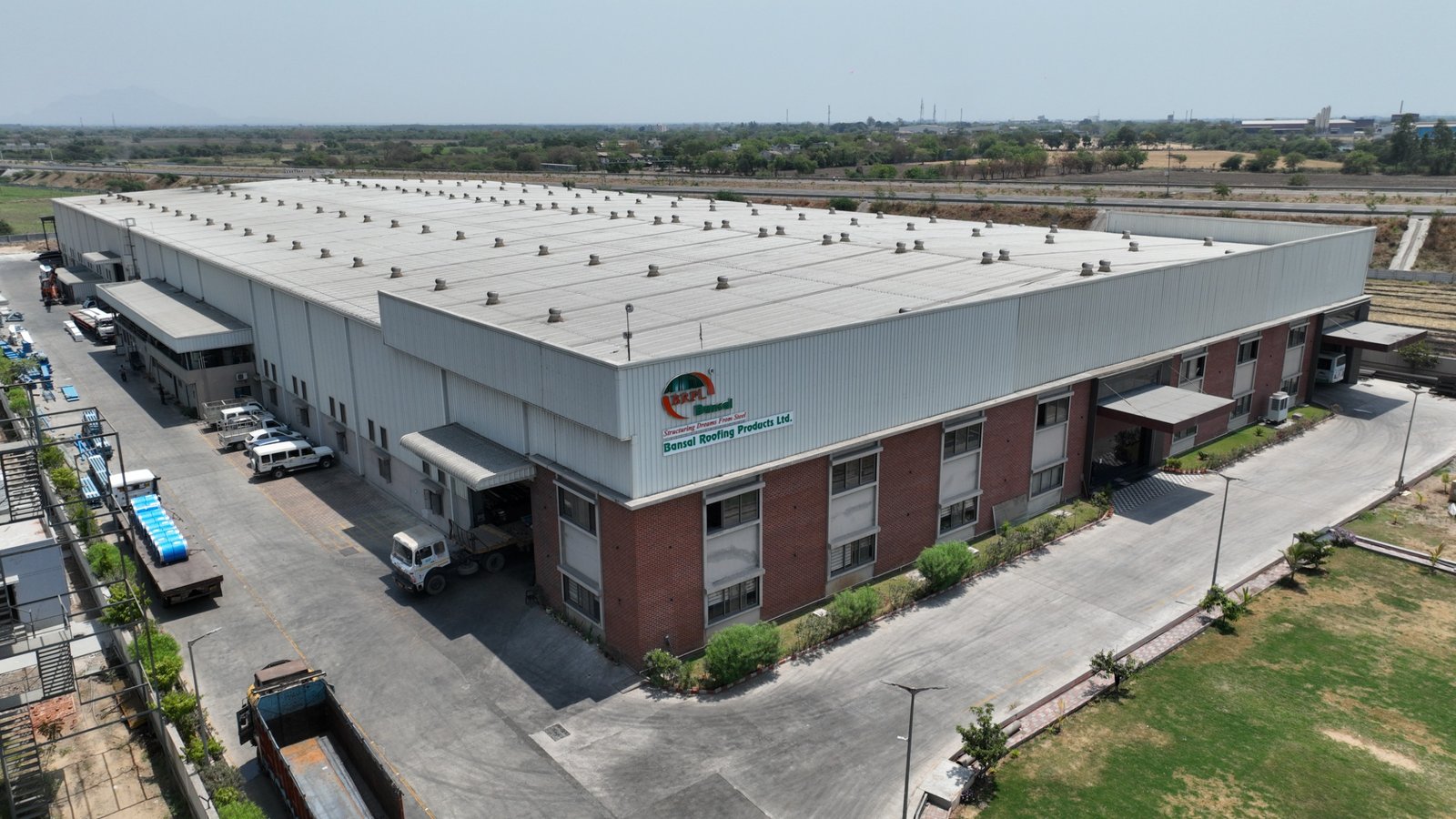
- 3 lakh sq. ft. manufacturing facility in Vadodara with a 300+ skilled workforce
- 17+ years in steel infrastructure, 400+ projects completed and 3,000+ orders executed every year
- CRISIL SME 1* rated, ISO 9001:2015, ISO 14001:2015, ISO 45001:2018 and MSME ZED Gold certified